
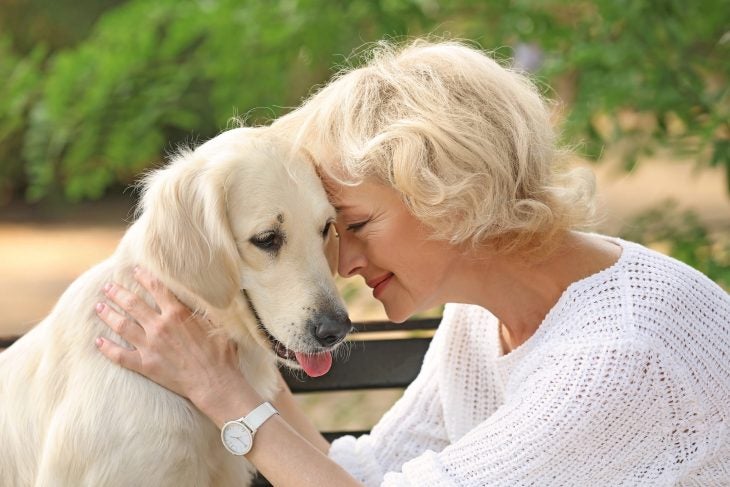
November is Senior Pet Month. This is the first entry in a four-part series by Veterinarian Shelby Neely about caring for senior pets.
Aging changes our pets, and we want more than ever to provide the best possible care for them. Senior pets often require extra time and attention to ensure they remain comfortable. To keep your pet healthy and happy, you must understand the changes that come with aging. This blog post, the first of four, provides an overview of what to expect when caring for your senior pet and how to manage their health and well-being.
When is a pet considered a senior?
The age at which a cat or dog is considered a senior varies from pet to pet, depending on their species and breed. Cats are generally considered to be seniors around ten, although some may appear to begin aging around eight. Small breed dogs tend to live longer than larger breeds, so they may not become seniors until around eight or nine. Larger breeds may enter their senior years as young as five or six.
It’s essential to recognize when your pet has become a senior so you can adjust its care to face the unique challenges of aging.
Common health issues in senior pets
Some of the same health issues affect cats and dogs, while others are more specific to one species. The following are a few health concerns to watch for:
- Arthritis and mobility issues: In the senior years, joint health becomes a more significant concern. Arthritis is common, especially in larger dog breeds. Arthritis is less common in cats, but they can still be affected. If you notice your senior pet having difficulty getting up or jumping or climbing stairs and they show stiffness after resting, it’s essential to have them examined by your veterinarian. You can do things to make them more comfortable, such as maintaining a healthy weight and providing orthopedic bedding. There are also anti-inflammatory medications, joint supplements, and physical therapy.
- Dental disease: Taking care of your pet’s mouth is a lifelong issue, but in senior pets, it becomes even more important and cannot be overlooked. Aging brings about tartar buildup, which can lead to gingivitis, tooth decay, and even infections. It’s important to continue with regular dental checkups, cleanings, and at-home dental care. If you leave dental issues untreated, they can lead to pain and affect important organs.
- Vision and hearing loss: Many seniors have some degree of vision or hearing loss. Dogs, in particular, may develop cataracts or progressive retinal atrophy, and cats can develop glaucoma. Your senior pet may become anxious or confused if they have hearing or sight loss, so it’s essential to rearrange their environment to reduce the risk of accidents.
- Kidney and liver disease: Kidney disease can particularly affect senior cats. This chronic but treatable condition entails long-term management. Regular blood work is critical to catch early signs of kidney or liver disease in both cats and dogs. Some special diets and medications can help extend the quality of life for your senior pet.
- Weight management: Senior pets can become overweight or underweight due to activity levels, underlying health issues, and changes in metabolism. Regular vet visits are important for monitoring these changes and adjusting diet and exercise if necessary.
- Cognitive decline: Cognitive dysfunction syndrome, known as CDS, is a condition in senior pets that is similar to dementia in people. It can cause disorientation, trouble sleeping, and a change in behavior. Your pet may seem confused, forget training, or have accidents in the house. There are medications and supplements that can help improve cognitive function. Environmental enrichment is also helpful.
Enhancing quality of life for senior pets
Even though your senior pet may slow down, they still have plenty of love and companionship to offer you. In return, you want to ensure they continue to enjoy life and be as comfortable as possible. The following strategies will help:
- Regular veterinary visits. Your senior pet should be seen at least twice a year by your veterinarian.
- Nutrition adjustments: Senior pets have different dietary needs than other pets. Often, these diets have fewer calories, more fiber, and added supplements to support joint and organ health.
- Comfortable living environment: Senior pets may need a change in their bedding. They may need ramps or steps to help them access the bed or sofa. You may need to ensure their food and water bowls are easy to find. Your pet will appreciate a calm, predictable environment. This will help reduce anxiety in a pet with cognitive decline.
- Exercise and mental stimulation: Your senior pet most likely will not be as playful as it was earlier in life. However, it still needs gentle exercise and mental stimulation. Shorter walks and more indoor play can help dogs maintain muscle tone and mobility. Interactive toys, puzzle feeders, or new objects to explore can keep cats’ minds engaged.
Caring for your senior pet
Caring for your senior pet can present new challenges, but you may find that your relationship with your pet is even closer. Senior pets have a special place in our hearts, and a little extra care can ensure they live a long and healthy life.
Dr. Shelby Neely??is a Penn graduate who works for Banfield Pet Hospital. When she???s not treating pets, she also works as a freelance writer.?? Before joining Banfield, Dr. Neely owned??a very successful feline-only practice.?? She was also the creator and??author of the award-winning??Ask The Cat Doctor??website.?? Dr. Neely considers her three successful children and her veterinary career her??most significant achievements.?? She lives in King of Prussia with her two adorable cats and loves to visit her four granddogs.