
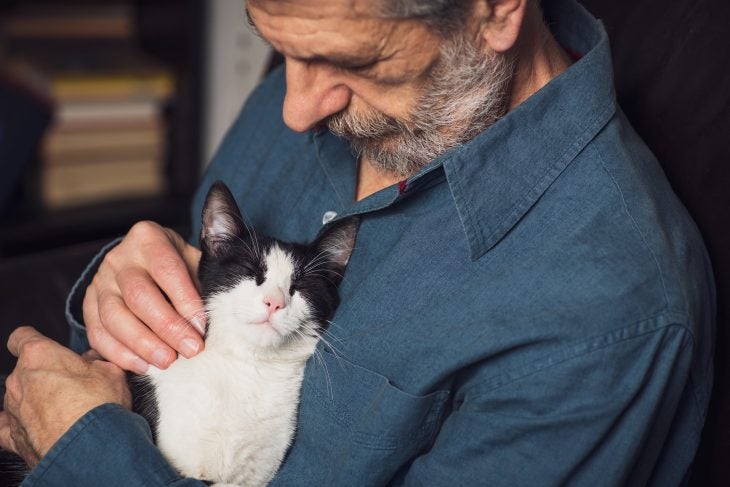
November is Senior Pet Month. This is the second entry in a four-part series by Veterinarian Shelby Neely about caring for senior pets.
As pets grow older, they have changes in their physical health and may also have new emotional needs. Senior pets, both cats and dogs, may have sensitivity to new situations, be less adaptable to changes in routine, and may have increased anxiety. Providing your pets with a calming and reassuring environment is necessary during these times. Below, we offer valuable strategies for calming your senior pet and maintaining its well-being in its golden years.
Maintain a consistent routine
One of the best ways to reduce anxiety in senior pets is to provide them with a predictable routine. That’s because they often become less adaptable to change as they age. They don’t like new schedules, unfamiliar people, or new pets in the household. Maintaining a routine for feeding, walks, and quiet time can provide them with comfort and predictability. This helps minimize confusion, especially if your pet is experiencing cognitive decline, often called canine or feline dementia. This predictable routine can offer them increased security, which in turn helps reduce stress.
Create a calm, comfortable environment
You can help your senior pet relax by providing a soothing environment. Your pet needs to have a quiet space away from busy household activities. They need a place to retreat to when they need a break. Cats may prefer a quiet room or elevated tree house where they feel safe. On the other hand, dogs are usually content with a cozy corner with a supportive bed for their older joints. Filling the spaces with familiar toys, blankets, or beds will further help their sense of security.
Also, consider aromatherapy. While some scents, like lavender, have been shown to help reduce stress in pets, be very careful to ensure that essential oils are safe. Many common oils can be very toxic to cats and dogs.
Gentle exercise and enrichment
You may think that your senior pet can no longer have exercise in their daily routine. However, regular gentle exercise is still essential for them. For dogs, this might mean that the walks you take are shorter and slower, while for cats, interactive play with feather toys or laser pointers can help keep them active. Many products on the market can aid you in this endeavor.?? Products such as puzzle toys, food dispensing toys, or even scent games can help stimulate the mind and reduce anxiety.
Mental stimulation is especially essential if your senior pet is facing cognitive decline. Interactive toys or gentle training exercises can help keep their minds sharp and give them a sense of accomplishment.
Provide physical comfort
Many senior pets, particularly dogs, suffer from arthritis. This is when you may need to buy a special bed, such as an orthopedic dog bed or a heated mat. This can help enormously to alleviate joint pain and give your dog a soothing space for relaxation. Of course, it’s essential to visit your vet regularly so they can assess pain levels and prescribe appropriate medications or supplements.
At home, you can help by providing massages and gentle touch, which will also have a calming effect. You may be surprised to learn that many pets enjoy a light massage. This can help reduce muscle tension and foster a stronger bond between you and your favorite pal.
Use calming products and supplements
There are many calming aids available for anxious pets. For dogs, you can find pheromone collars, diffusers, or sprays that mimic natural calming scents and thereby reduce stress. Cats have similar pheromone diffusers. One of them is Feliway, which can promote a sense of calm. Additionally, supplements like CBD oil, valerian root, or L-theanine can be used with your vet’s guidance to help manage anxiety in senior pets.
Help your senior pet enjoy their golden years
You have spent many years with your senior pet, and they have given you love and loyalty. You, in turn, have cared for them and returned their love in abundance. As they age, you must provide them with the care and support they need to feel calm and comfortable. A constant routine, a soothing environment, and addressing their physical and emotional needs will ensure that your senior pet enjoys their golden years. Always consult your veterinarian before introducing new supplements or therapies to provide the best care and health for your aging companion.
Dr. Shelby Neely??is a Penn graduate who works for Banfield Pet Hospital. When she???s not treating pets, she also works as a freelance writer.?? Before joining Banfield, Dr. Neely owned??a very successful feline-only practice.?? She was also the creator and??author of the award-winning??Ask The Cat Doctor??website.?? Dr. Neely considers her three successful children and her veterinary career her??most significant achievements.?? She lives in King of Prussia with her two adorable cats and loves to visit her four granddogs.