
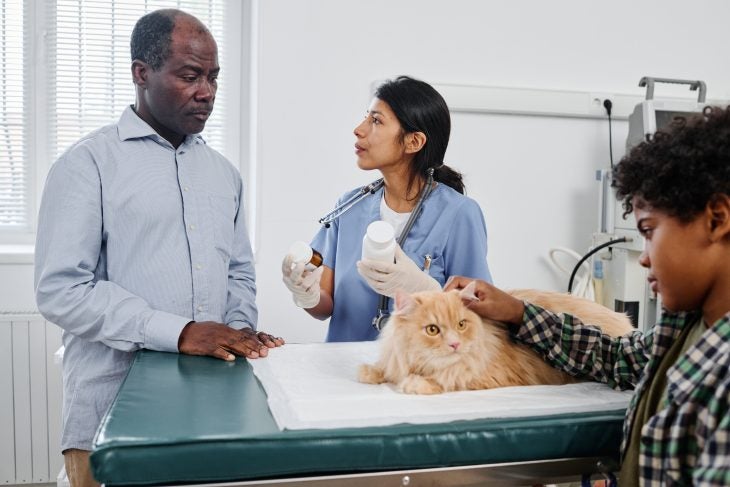
Veterinarian Shelby Neely explains how a pet’s digestive health can need extra support as they age. This is the third installment in a series about senior pet care.??
Issues with digestive health are among the changes pets experience as they age. Senior dogs and cats can experience digestive problems such as constipation, food intolerances, and reduced nutrient absorption. Fortunately, there are many things you can do to support your pet’s digestive health, keeping them comfortable and healthier as they age.
Common digestive challenges of senior pets
As your pet ages, it is not uncommon for digestion to slow down, leading to constipation due to decreased intestinal motility. Another problem with aging is the reduced production of digestive enzymes, which can lead to poor nutrient absorption. A third issue is the development of sensitivities to ingredients that your pet used to be okay with but now cannot tolerate. Other body organs, such as the kidneys or liver, can develop conditions that interfere with digestive function, making diet management even more essential.
Dietary adjustments for better digestion
As your pet ages, it is important to feed the proper diet specific to its life stage. Seniors need to eat senior-specific pet food, which can help with age-related digestive changes. Senior diets tend to be easier to digest, contain lower levels of fat, and use higher???quality proteins, which are easier on your pet’s aging digestive system. Senior diets may also be lower in calories, which matches your pet’s less active lifestyle, helping prevent weight gain that could also stress the digestive tract.
The key components to consider in a senior pet diet include
- High-quality protein to maintain muscle mass and keep pets strong
- Moderate fats are essential for supporting energy levels, brain health, and skin and coat health. Omega-3 and Omega-6 fatty acids from fish oil or flaxseed are especially beneficial for joints and the brain.
- Fiber may aid in keeping slower digestion on track to prevent constipation. This may come in pumpkin, sweet potatoes, or fiber supplements.
- Joint support nutrients such as glucosamine, chondroitin, and Omega-3 fatty acids are crucial for joint health.
- Antioxidants for immune support in the form of vitamins C and E, beta???carotene, and other antioxidants reduce inflammation and fight age-related cellular damage
- Low phosphorus and moderate sodium, especially for dogs and cats with kidney issues
- Enhanced palatability for aging pets that may be losing their sense of taste and smell
- Taurine for cats is an essential amino acid that is necessary for feline heart health and should always be present in a cat’s diet, but especially as they age.
- Reduced calories if necessary to keep senior pets from gaining too much weight due to their reduced activity levels
- In addition, there are specific diets known as limited???ingredient or hypoallergenic diets that can help pets with food sensitivities by decreasing symptoms like gas, bloating, and diarrhea. In addition, fiber is a great thing to add to a senior’s diet to keep the digestive tract moving smoothly. Ingredients such as pumpkin or sweet potatoes can be very beneficial in helping with constipation, while soluble fibers support beneficial bacteria, promoting a balanced gut flora and aiding in digestion.
The role of probiotics and enzymes
You may have wondered what the big deal is about probiotics and digestive enzyme supplements. Are they really helpful? Are they essential? The answer is yes! Probiotics are a tremendously valuable addition to a senior pet’s diet. A balanced gut microbiome is necessary for proper digestion and immune function. Probiotics help maintain that balance. They are generally available in the form of supplements or may be added directly to a pet’s food. Regular use of probiotics can improve stool consistency and reduce diarrhea and gas.
Another beneficial aid for senior pets is digestive enzyme supplements. You may find that these are included with your probiotic supplement, or you may need to purchase them separately. Always check the label. Digestive enzyme supplements are particularly good for pets showing signs of malabsorption. They help break down nutrients for better absorption. This reduces the risk of undigested food sitting in the intestines, fermenting, which can cause bloating and discomfort.
Hydration and exercise
Hydration is essential for all life stages but becomes particularly important for seniors. Since they are already prone to constipation and kidney disease, dehydration can make matters even worse. Ensure your senior pet always has fresh water, and consider adding moisture-rich foods for smoother digestion. Regular exercise, like gentle walks, can help dogs promote a regular bowel schedule. Interactive play sessions can do the same in cats.
Monitoring and veterinary care
As a pet ages, it becomes even more important to have regular veterinary exams. Your veterinarian can discuss changes you may need to make in your pet’s lifestyle and perform a thorough exam to determine any abnormalities early while they are still treatable. Several conditions that senior pets get, such as diabetes, kidney disease, or inflammatory bowel disease, can be detected through blood work and other diagnostics and treated to help the digestive system function properly and promote a longer, healthier life.
Provide your senior pet with the best digestive health possible
You can give your aging pet a more comfortable and active life if you understand the unique needs of senior pets. Being aware of dietary choices, beneficial supplements, and regular monitoring can help you play a significant role in enhancing your senior pet’s quality of life and help them feel their best for as long as possible.
Dr. Shelby Neely??is a Penn graduate who works for Banfield Pet Hospital. When she???s not treating pets, she also works as a freelance writer.?? Before joining Banfield, Dr. Neely owned??a very successful feline-only practice.?? She was also the creator and??author of the award-winning??Ask The Cat Doctor??website.?? Dr. Neely considers her three successful children and her veterinary career her??most significant achievements.?? She lives in King of Prussia with her two adorable cats and loves to visit her four granddogs.