
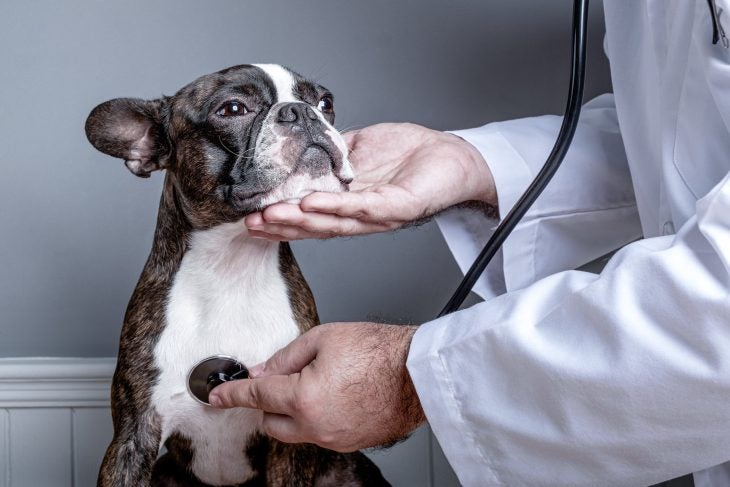
As we wrap up Heart Health Month, veterinarian Shelby Neely shares heart health tips.??
Pet parents need to become educated about their pet???s heart health and risks, especially because heart disease doesn’t show itself in the early stages. Your dog or cat could have a heart problem, and you may not know it for months or even years. But taking action early through prevention and awareness can greatly influence long-term outcomes. Certain conditions can’t be prevented, especially those caused by genetics or aging. But others may be avoided or postponed because many lifestyle choices, from nutrition to exercise, can influence cardiovascular health.
Maintain a Healthy Weight
Obesity is a key factor in protecting heart health in pets and people. A large number of cats and dogs are overweight or even obese these days. The heart has to work harder if your pet is overweight. Make sure you measure meals rather than guess portions, and monitor your pet’s body condition regularly. Veterinarians recommend feeling the chest over the ribs and making sure you can easily feel the ribs. Also, look down on your pet from above and see if it has a waistline, which it should. If you need help with your pet’s weight loss, your veterinarian can be very helpful.
Choose a Balanced, High-Quality Diet
There’s abundant research showing that nutrition plays a major role in health and disease in both people and pets. This includes cardiovascular wellness. Ensure you select AAFCO-approved diets that are complete and well-balanced, and match both pets’ nutritional standards and their life stage. Don’t follow trendy diets that lack research, and avoid frequent diet changes. Certain nutrients have been shown to support heart health, such as taurine, Omega-3 fatty acids, and antioxidants. Talk to your vet about whether your dog or cat would benefit from a pet weight-loss food. Note: Do not give your pet supplements without consulting your veterinarian.
Keep Pets Active But Know Their Limits
The average pet doesn’t need intense workouts, but they do need daily appropriate activity. A healthy body weight and muscle tone are all helped by exercise.
- Dogs: To keep a dog’s heart strong, they need light training games, play sessions, and daily walks.
- Cats: Cats are certainly different from dogs. You don’t usually take them for walks, but you still need to have play sessions with them daily. Using wand toys, laser pointers, or some of the many interactive toys available in pet stores these days will do the trick.
- Senior Pets: When your dog or cat reaches the senior stage, they still need activity, but it should be gentler and lower-impact.
- Pets with diagnosed heart disease: Follow your vet’s recommendations about activity.

Stay Current with Veterinary Exams
Because pets with heart conditions often don’t show signs that you can recognize at home, routine checkups are critical. For example, your vet may hear a heart murmur or arrhythmia, which may or may not be a concern. A stethoscope is generally the only way these abnormalities will be detected. Some breeds are at higher risk of developing heart conditions, as are senior pets. They may need additional evaluations, such as chest imaging or ultrasound evaluations.
Watch for Subtle Warning Signs at Home
See your vet if you notice:
- Unusual breathing or persistent coughing
- Decreased ability to take long walks or play
- Sudden weakness or fainting episodes
- Lethargy or decreased appetite
- Cats can be tricky. Often, the first thing they do when they’re not feeling well is to hide. The other thing to watch for is changes in their breathing. If they have to work harder to breathe, you should see your vet right away. Open-mouth breathing is never OK for a cat.
Even if symptoms are mild, if they are persistent, they should be checked by your vet.
Protect Dental Health
If your dog or cat has chronic dental disease, bacteria can enter the bloodstream. Over time, this can affect heart valves. Professional cleaning by a veterinarian when recommended and vet-approved preventative dental products can all help reduce this risk.
Reduce Stress and Create a Calm Routine
Pets can feel stressed, and stress can affect heart rate and blood pressure. To reduce stress as much as possible, maintain a predictable daily routine, ensure your pet has safe resting places, and, if there are any changes in the household, introduce them gradually and keep your pet feeling secure. Environmental enrichment, such as puzzle feeders or scent games that stimulate mental health, will also help emotional and heart health.
The Bottom Line
Taking care of your pet’s heart isn???t about just one change or one product. It’s about consistency in nutrition, exercise, preventive veterinary care, and observation of any subtle changes in your pet’s behavior. Stay alert and keep those vet appointments, and you can play a major role in maintaining your pet’s cardiovascular health.
Dr. Shelby Neely??is a Penn graduate who works for Banfield Pet Hospital. When she???s not treating pets, she also works as a freelance writer. Before joining Banfield, Dr. Neely owned a very successful feline-only practice. She was also the creator and author of the award-winning??Ask The Cat Doctor??website. Dr. Neely considers her three successful children and her veterinary career her most significant achievements. She lives in King of Prussia with her two adorable cats and loves to visit her four granddogs.