
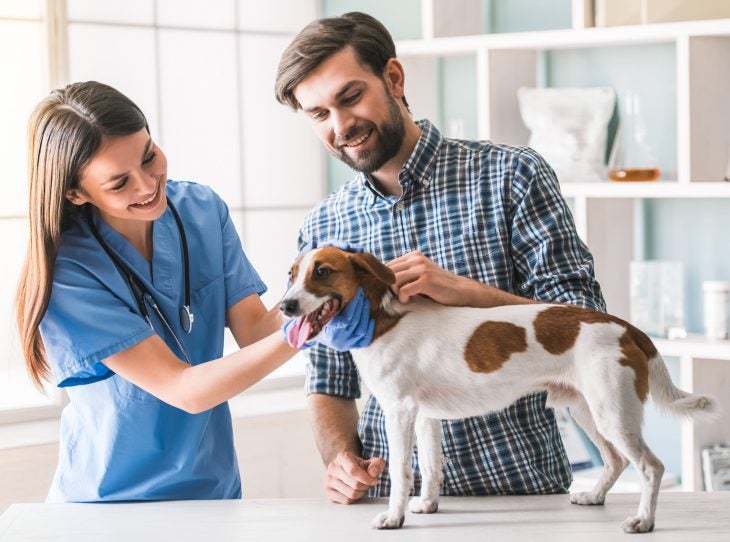
Veterinarian Shelby Neely explains the importance of compliance in realizing better long-term health outcomes for pets.??
by Dr. Shelby Neely
As a veterinarian, client compliance is one of the most essential yet frustrating parts of offering quality care to my patients. It sounds easy enough ??? give medications as directed, follow diet instructions, schedule the vet visits your pet needs, adhere to the vaccine schedule recommended for your pet, and manage chronic conditions such as diabetes or Cushing’s disease.
We ask these things of our clients, because we care about your pet and want the best outcome and extended life possible.
Why Compliance Matters
Compliance is important whether your pet is currently dealing with a condition or not. Preventing illnesses by staying current on parasite prevention, feeding a healthy diet, and ensuring your pet is fed a healthy diet.
Certain diseases, such as those related to obesity or those transmitted by parasites are preventable, and compliance throughout your pet???s life is one of the best things you can for them.
If your pet is dealing with a chronic condition or even just suffering with an infection, taking medications as prescribed is essential.
Barriers to Compliance
It sounds simple enough on paper but is amazingly difficult at times. Client compliance is influenced by many things, including:
- Financial Constraints:??Veterinary care can be costly at times. It wouldn’t be so bad if your only expenses were the office visit, vaccines, fecal exams, and possible medications. Most people can cover that every year. However, if the visit involves an illness and, therefore, blood tests, X-rays, or surgical intervention, the price can really add up.
- Time Commitments:??We live in a busy world. Many people work from very early in the morning until evening. That can make it difficult to administer those medications at the appropriate time or find an opportunity to bring your pet in for a visit.
- Cultural Beliefs and Personal Beliefs:??Some people only want to use herbal treatments or other alternative therapies.Most veterinarians are trained in traditional medicine. Some cultures dislike spaying or neutering, but veterinarians are very pro-spaying and neutering. Veterinarians must respect cultural diversity, but we are responsible for educating clients about science-based treatments.
- Emotional Attachments: Many households treat their pets as family members and want to care for them similarly. To others, the pet may be just for hunting or guarding. Emotional attachments or lack thereof can influence compliance.
Veterinarian???s and other pet health professionals continue to stress the importance of compliance for better long-term health outcomes. Here are a few tips to help overcome common obstacles.
- Pet Insurance: More and more pet owners are realizing the benefits and importance of keeping their pets covered by pet insurance. Having a policy in place eliminates the need to make decisions about your pet???s health and alleviates the bulk of the financial burden for caring for pets with ongoing illnesses or who have sustained injuries or need surgery.
- AutoShip Services: If your pet has a chronic condition, staying current on medications is important. One way to make this easier is by taking advantage of the benefits of AutoShip. You won???t have to worry about forgetting to reorder and you???ll save on each shipment. Allivet AutoShip also offers free shipping on Rx orders over $30.
- Education: Vets have a responsibility to provide the information pet parents need, but pet parents also have a responsibility to ask questions about anything they don???t understand. Is money an issue? Ask your vet if there may be alternative treatments or medications that are less expensive.
What???s the bottom line?
Compliance matters, and you help your pet stay healthier and active longer by following your vet???s instructions.
Dr. Shelby Neely??is a Penn graduate who works for Banfield Pet Hospital. When she???s not treating pets, she also works as a freelance writer.?? Before joining Banfield, Dr. Neely owned??a very successful feline-only practice.?? She was also the creator and??author of the award-winning??Ask The Cat Doctor??website.?? Dr. Neely considers her three successful children and her veterinary career her??most significant achievements.?? She lives in King of Prussia with her two adorable cats and loves to visit her four granddogs.