Felycin-CA1 (sirolimus delayed-release tablets) for Cats, 12 Tablets Description
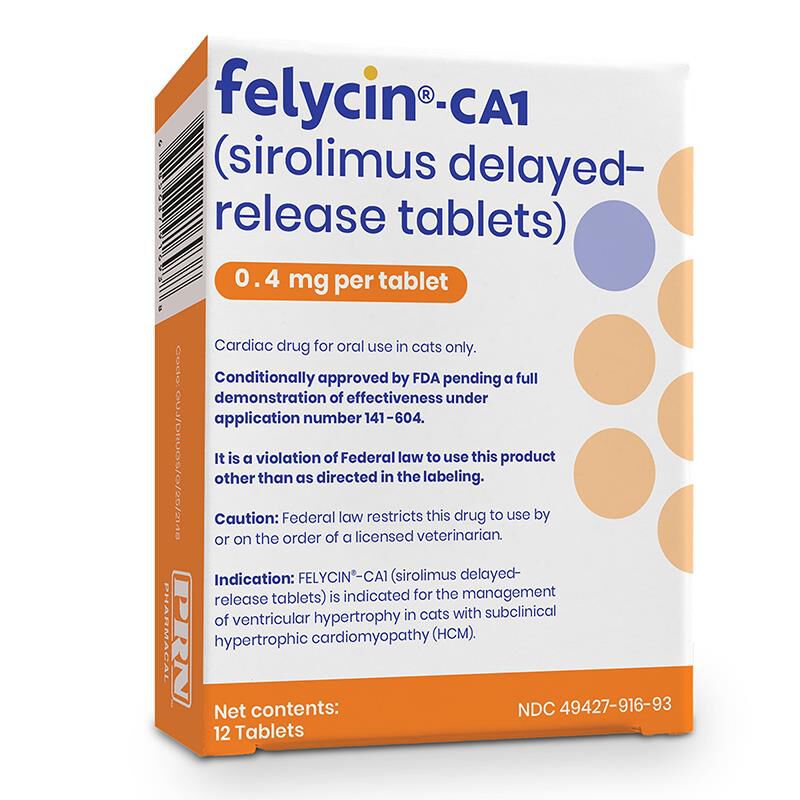
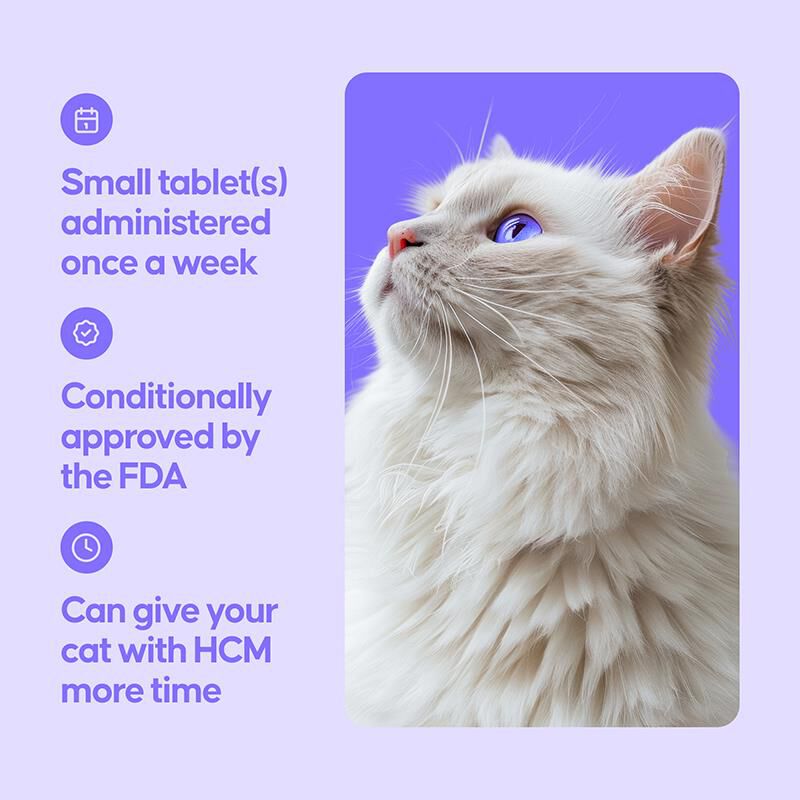
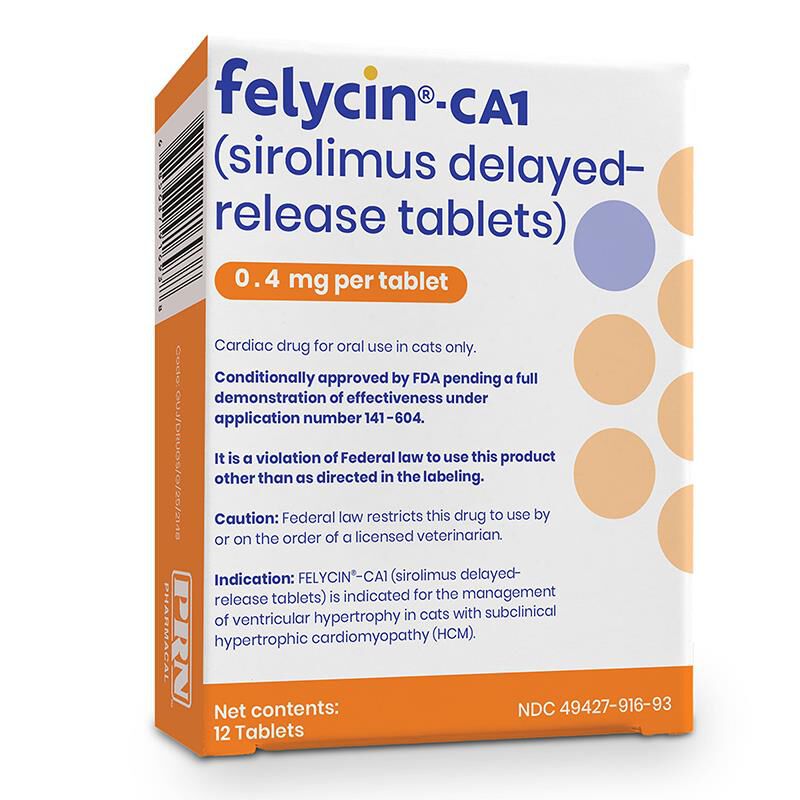
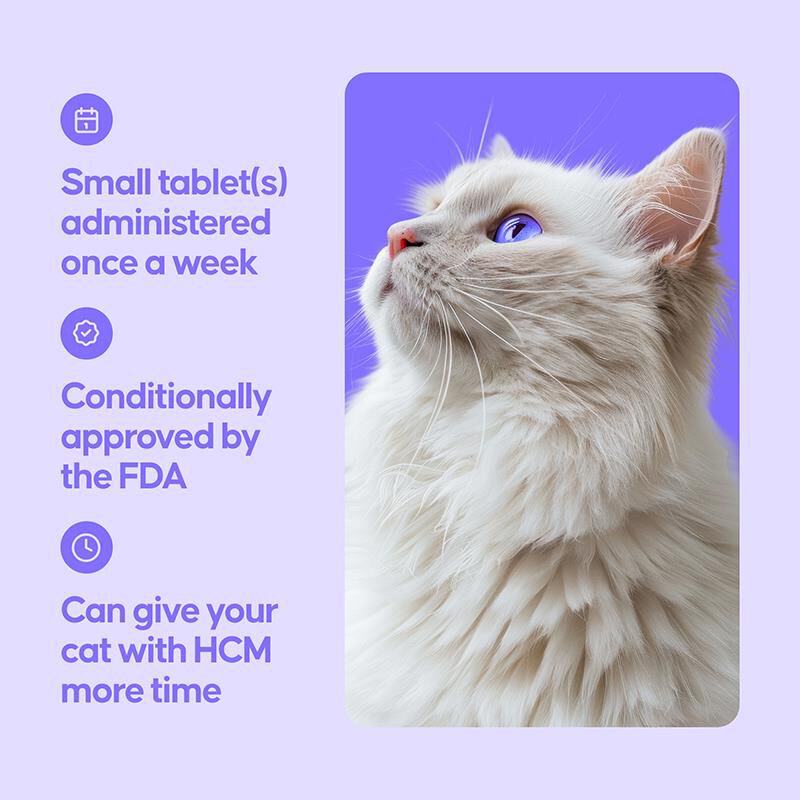
Felycin-CA1 (sirolimus delayed-release tablets) are once-weekly tablets indicated for the management of ventricular hypertrophy in cats with subclinical hypertrophic cardiomyopathy (HCM). Conditionally-approved by FDA pending a full demonstration of effectiveness under application number 141-604.
Which animals/pets is Felycin-CA1 (sirolimus delayed-release tablets) for Cats, 12 Tablets for?
Cats
Felycin-CA1 (sirolimus delayed-release tablets) for Cats, 12 Tablets uses
Helps manage subclinical hypertrophic cardiomyopathy in cats.
Felycin-CA1 (sirolimus delayed-release tablets) for Cats, 12 Tablets side effects
The most frequently observed adverse reactions in cats treated with FELYCIN-CA1 were cardiovascular in nature, relating to the progression of HCM, and included arrhythmia, congestive heart failure, syncope, and pericardial effusion. Other adverse reactions observed were lethargy, vomiting, diarrhea, and inappetence.
Felycin-CA1 (sirolimus delayed-release tablets) for Cats, 12 Tablets ingredients
Sirolimus
Felycin-CA1 (sirolimus delayed-release tablets) for Cats, 12 Tablets overdose: What to do?
Contact your nearest emergency animal hospital.
What to know before using Felycin-CA1 (sirolimus delayed-release tablets) for Cats, 12 Tablets
Do not use Felycin-CA1 in cats with diabetes mellitus. Discontinue immediately if a cat receiving Felycin-CA1 is diagnosed with diabetes mellitus. Do not administer in cats with pre-existing liver disease. Treatment with Felycin-CA1 could impact the cat’s ability to mount an adequate immune response to vaccinations.
The use of Felycin-CA1 in cats with viral disease like feline viral rhinotracheitis has not been evaluated. The safety and effectiveness of Felycin-CA1 has not been evaluated in cats with other cardiomyopathy phenotypes, in cats receiving beta blockers or corticosteroids, in cats with kidney disease, hyperthyroidism, or other significant systemic disease. The effectiveness of Felycin-CA1 has not been evaluated in sexually intact cats, therefore, should not be used in animals intended for breeding.
Treatment with Felycin-CA1 has been associated with the elevation of the transaminase enzymes, which include alanine aminotransferase (ALT) and aspartate aminotransferase (AST). Bloodwork should be repeated 1 to 2 months following initiation of treatment, and every 6-12 months thereafter. Discontinue treatment if transaminase values exceed 2X the upper limit of normal (ULN), if other liver enzymes besides ALT or AST are elevated, or if clinical signs of liver dysfunction are noted.
For use only in otherwise healthy cats with subclinical HCM in the absence of other causes of compensatory myocardial hypertrophy (e.g. systemic hypertension), current or historic symptoms of congestive heart failure, arterial thromboembolism, and severe LV outflow tract obstruction.
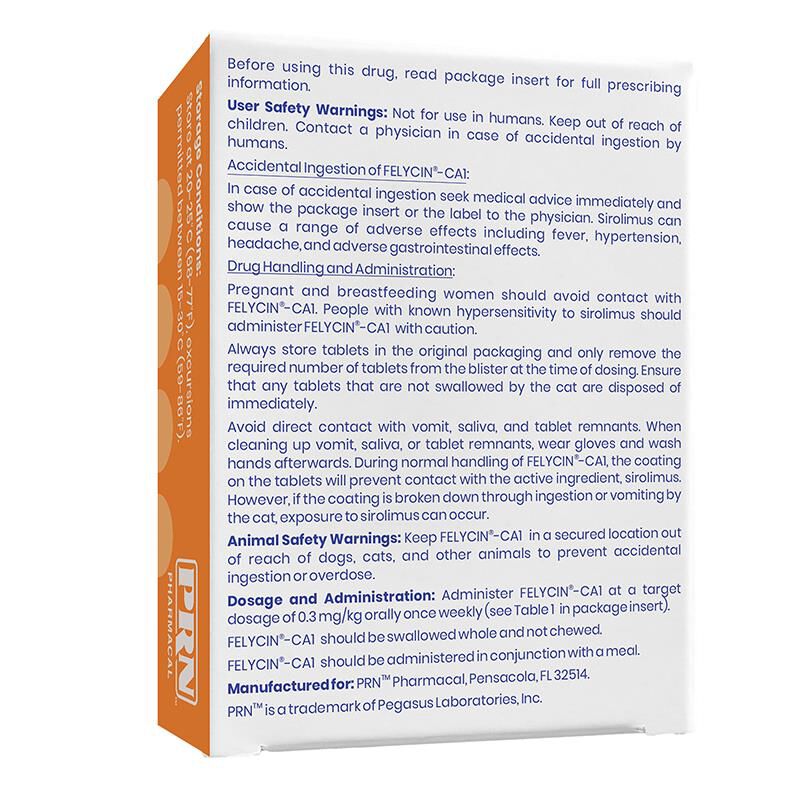
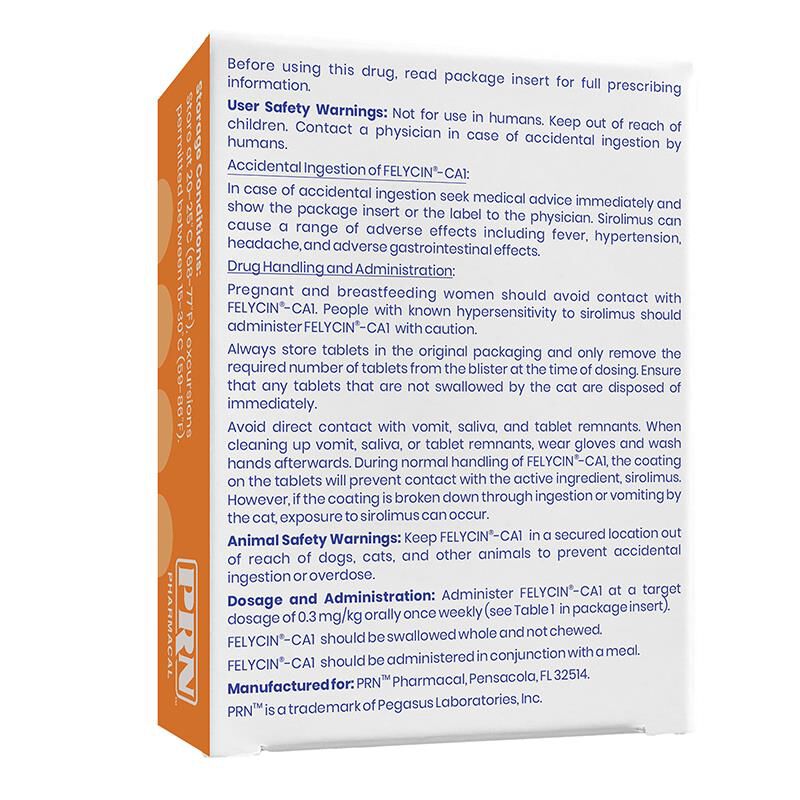
Not for human use. Keep out of reach of children. Contact a physician in case of accidental ingestion by humans. Pregnant and breastfeeding women should avoid contact with Felycin-CA1. People with known hypersensitivity to sirolimus should administer Felycin-CA1 with caution.
Keep Felycin-CA1 in a secure location out of reach of dogs, cats and other animals to prevent accidental ingestion of overdose.
Felycin-CA1 is conditionally approved by FDA pending a full demonstration of effectiveness under application number 141-604. See prescribing information for complete details regarding adverse events, warnings, and precautions.
How is Felycin-CA1 (sirolimus delayed-release tablets) for Cats, 12 Tablets sold?
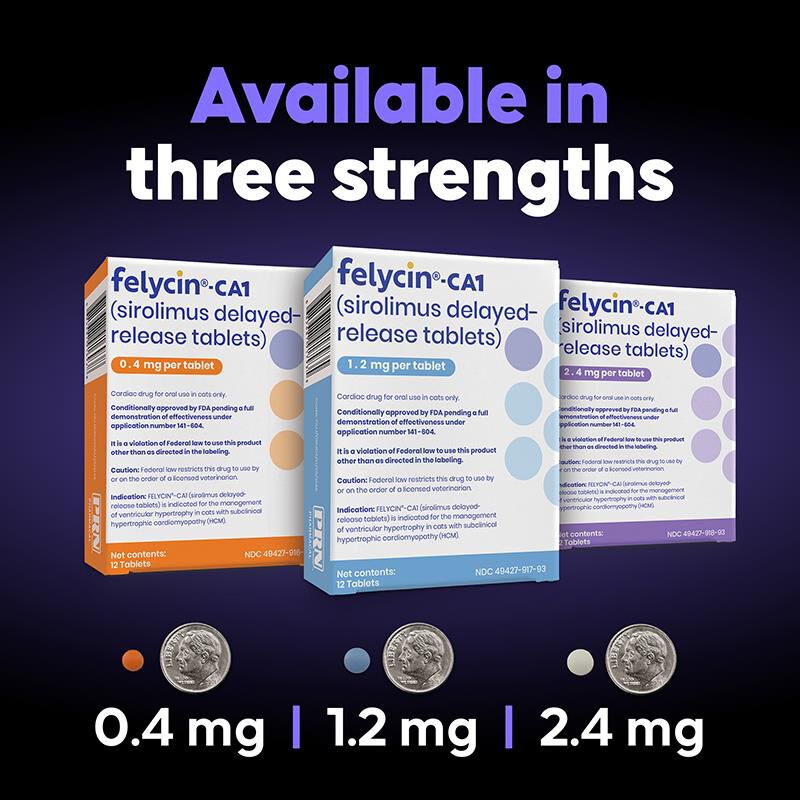
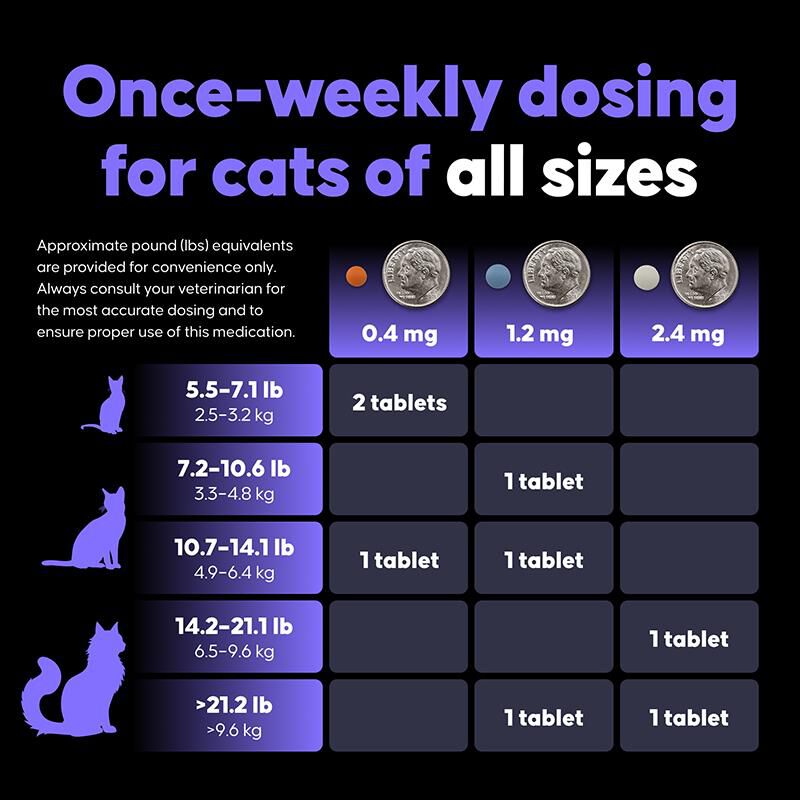
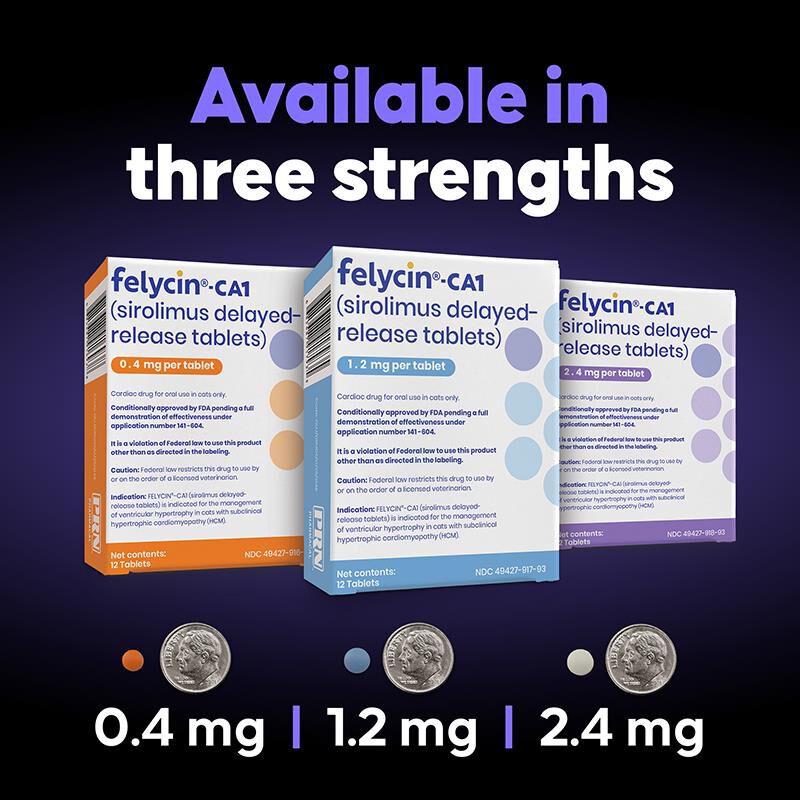
12 tablet blister pack in the following strengths: 0.4 mg, 1.2 mg, or 2.4 mg.
PRN Pharmacal
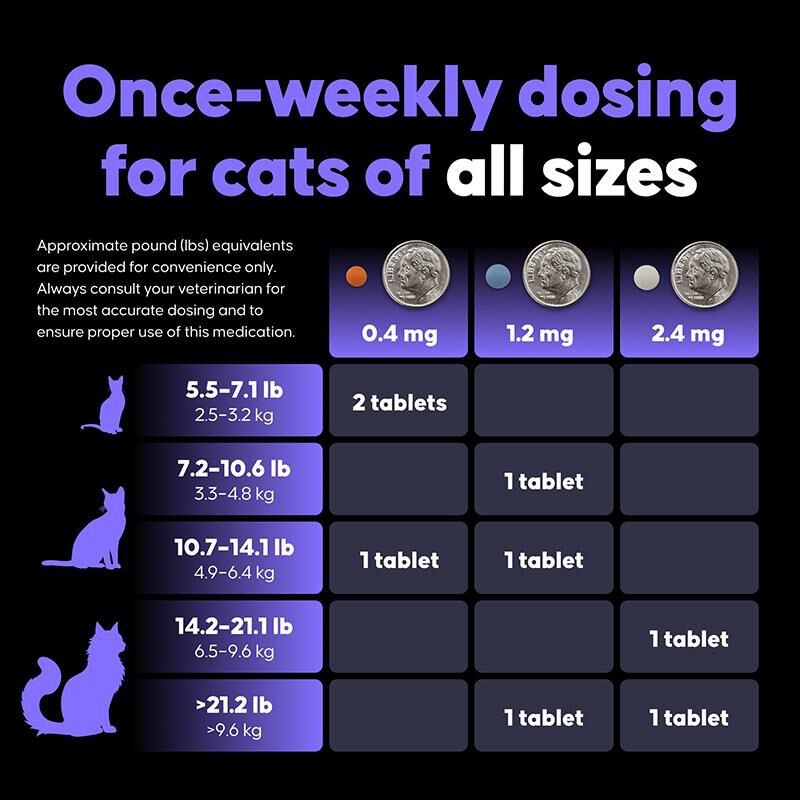
Administer FELYCIN-CA1 at a target dosage of 0.3 mg/kg (0.14 mg/lb) orally once weekly. Approximate pounds (lbs) equivalents are provided for convenience only. Always consult your veterinarian for the most accurate dosing, and to ensure proper use of this medication. FELYCIN-CA1 should be swallowed whole and not chewed. Do not split or crush tablets. FELYCIN-CA1 should be administered in conjunction with a meal.
Reviews