
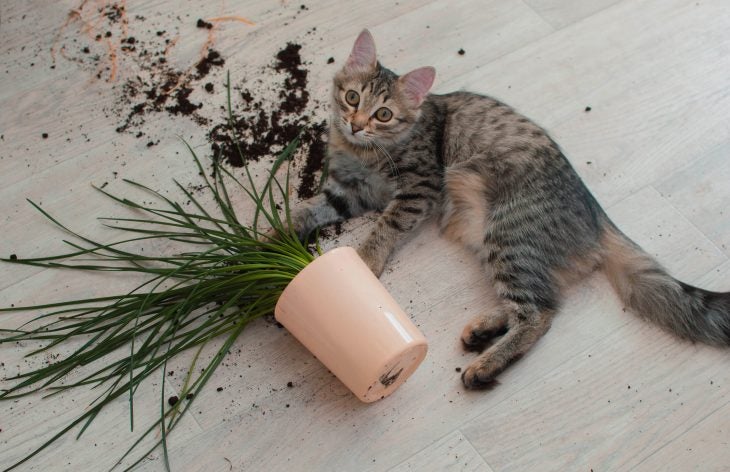
Plants can beautify both your home’s interior and outdoor living areas. Some plants, however, are toxic to pets. Veterinarian Shelby Neely explains which plants pose danger to your four-legged family members.??
Many pet parents get a great deal of pleasure out of decorating their homes with beautiful plants. Unfortunately, many plants are toxic to cats and dogs and it???s impossible to know the names of all of them. However, you can learn about the most common ones and learn that you need to research every new plant you are thinking about buying. This guide will help you recognize common plants toxic to cats and plants toxic to dogs, and provide safer alternatives for a pet-friendly home.
Common Plants Toxic to Cats
Both cats and dogs can have a toxic reaction to certain plants, but cats are especially sensitive to plant toxins. Some plants will cause instant irritation; some plants can cause life-threatening reactions even if only a small amount has been ingested. Here are some of the most dangerous plants toxic to cats:
1. Lilies (Lilium and Hemerocallis species)
- Toxicity: Extremely toxic
- Symptoms: Vomiting, lethargy, kidney failure. Even small amounts can cause acute kidney failure in cats.
Daylilies, Easter lilies, and tiger lilies should never be kept in homes with cats.
2. Dieffenbachia (Dumb Cane)
- Toxicity: Moderately toxic
- Symptoms: Irritates the mouth and throat causing drooling, mouth pain, and difficulty swallowing
3. Sago Palm
- Toxicity: Highly toxic
- Symptoms: Vomiting, liver failure, seizures
All parts of this plant are dangerous, especially the seeds. Even a small amount can be fatal to cats.
4. Autumn Crocus
- Toxicity: Highly toxic
- Symptoms: Gastrointestinal upset, organ failure, seizures
Unlike spring crocus, autumn crocus contains colchicine, a compound that can cause severe internal damage.
5. Tulip and Daffodil Bulbs
- Toxicity: Mild to moderate
- Symptoms: Drooling, vomiting, diarrhea
The bulbs are the most toxic part and pose a higher risk if cats dig them up or chew them indoors.
Common Plants Toxic to Dogs
Dogs don???t climb like cats do, but they chew, dig, and ingest larger amounts. Here are some common plants toxic to dogs:
1. Oleander
- Toxicity: Highly toxic
- Symptoms: Vomiting, slow heart rate, cardiac failure
Found in many outdoor gardens, oleander contains cardiac glycosides that affect heart function.
2. Azaleas and Rhododendrons
- Toxicity: Highly toxic
- Symptoms: Drooling, vomiting, weakness, potential coma
Even a few leaves can cause severe issues in dogs.
3. Sago Palm
- Toxicity: Highly toxic
- Symptoms: Liver failure, vomiting, seizures
Just like in cats, this plant is extremely dangerous for dogs.
4. Castor Bean Plant
- Toxicity: Highly toxic
- Symptoms: Abdominal pain, trembling, seizures
This plant contains ricin, one of the most poisonous naturally occurring substances.
5. English Ivy
- Toxicity: Mild to moderate
- Symptoms: Vomiting, abdominal pain, hypersalivation
Ingesting leaves or berries can cause gastrointestinal distress in dogs.
Shared Toxic Plants for Cats and Dogs
Some plants are equally dangerous for both cats and dogs. Pay close attention to these common offenders:
- Pothos (Epipremnum aureum): Oral irritation, vomiting
- Peace Lily (Spathiphyllum): Vomiting, difficulty swallowing
- Philodendron: Oral pain, drooling, digestive upset
- Yew (Taxus spp.): Heart failure, sudden death
- Cyclamen: Digestive upset, potential heart problems
- Aloe Vera: Diarrhea, lethargy, vomiting (despite its benefits to humans)
Signs of Plant Toxicity in Pets
Whether your pet has nibbled on a houseplant or dug something up in the yard, it???s important to recognize signs of toxicity early:
- Vomiting or diarrhea
- Drooling or foaming at the mouth
- Difficulty breathing
- Lethargy or unusual behavior
- Loss of appetite
- Seizures or tremors
- Swelling in the mouth or throat
- Irregular heartbeat
If your pet displays any of these symptoms and you suspect plant poisoning, contact your veterinarian immediately. You can also call the ASPCA Animal Poison Control Center at 888-426-4435 for expert advice.
Safe Plants for Pet-Friendly Homes
Luckily, there are many non-toxic plants that allow you to enjoy greenery without compromising your pets??? safety. Here are a few safe choices:
- Spider Plant (Chlorophytum comosum)
- Areca Palm (Dypsis lutescens)
- Bamboo Palm (Chamaedorea)
- Prayer Plant (Maranta)
- Calathea species
- Boston Fern (Nephrolepis exaltata)
- African Violet (Saintpaulia)
- Orchid (Phalaenopsis species)
These options allow you to keep your home stylish and safe at the same time.
How to Pet-Proof Your Plants
Whether indoors or outdoors, you can take a few extra precautions to protect your pets from toxic plants:
Identify all plants in your home and garden. Use reliable resources like the ASPCA???s toxic plant database.
Place plants out of reach, use barriers or deterrent sprays, supervise outdoor time, and choose pet-safe planters and potting soil.
Note that some soils contain chemical fertilizers or cocoa mulch, which are also toxic, so always read labels carefully when purchasing planting supplies.
Dr. Shelby Neely??is a Penn graduate who works for Banfield Pet Hospital. When she???s not treating pets, she also works as a freelance writer.?? Before joining Banfield, Dr. Neely owned??a very successful feline-only practice.?? She was also the creator and??author of the award-winning??Ask The Cat Doctor??website.?? Dr. Neely considers her three successful children and her veterinary career her??most significant achievements.?? She lives in King of Prussia with her two adorable cats and loves to visit her four granddogs.