
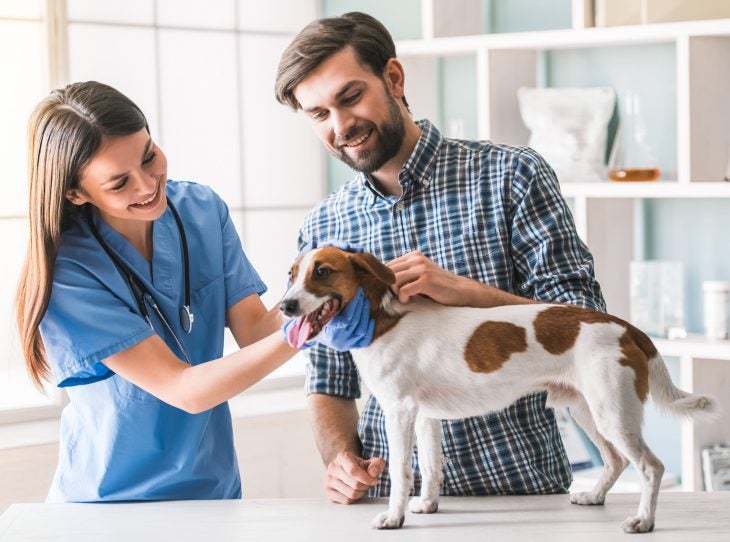
Veterinarian Shelby Neely explains how important regular wellness vet visits are to your pet’s overall health.??
Unfortunately, dogs and cats used to be kept outdoors to hunt, keep mice away, and guard the stock and property. Today, they live quite different lives. We call ourselves pet ???parents??? and try to give our pets the best life possible, including shelter, premium food, playtime, affection, a warm bed, and safety. We take them to the veterinarian the second they are sick and to the groomer when they have mats or need a bath. There???s one area where we still fall short???preventative medicine. Most pet parents take their pets to the vet when vaccines are required, but rarely any other time.
Yet, regular check-ups are essential for our pets just as they are for people. These visits are the foundation of proactive, preventive care that keeps pets healthier and helps them live longer. In this blog post, we will dive deeper into the importance of routine vet visits, what you can expect during them, and the benefits you and your pet can derive from them.
Early Detection of Illness
One of the prime reasons to schedule routine veterinary appointments is to catch health problems early. Pets can???t talk to us and are often good at masking pain. If you catch a health condition early, there is a greater chance of a good outcome.
During a wellness exam, your veterinarian will thoroughly examine your pet. Every part of the body will be examined from head to toe, including the eyes, ears, nose, throat, teeth, joints, heart, lungs, and skin. Depending on the age, condition, and breed, your vet may recommend tests such as blood tests, urinalysis, fecal exams, and X-rays. The exam and diagnostic tests may detect the early stage of a condition that you couldn???t possibly discover at home.
Preventive Care and Vaccinations
As Ben Franklin said, ???An ounce of prevention is worth a pound of cure.” This applies exceptionally well to the field of medicine. Prevention is always better???and less expensive???than cure. Routine visits ensure your pet stays current on essential vaccinations that protect against dangerous diseases like rabies, parvovirus, distemper, and feline leukemia.
Additionally, your vet will evaluate the parasite protection or treatment your pet needs. Fleas, ticks, heartworms, and intestinal parasites can cause serious illnesses, some of which can even be passed on to people. Regular check-ups to evaluate and dispense needed parasite preventatives will prevent these illnesses.
Age-Appropriate Health Strategies
A pet???s needs change with different ages. Routine visits ensure that your care of your cat or dog is appropriate for their age.
- Puppies and Kittens: Your vet will want to focus on vaccines and deworming, as well as discussions about spaying or neutering, diet, socialization, and training.
- Adult Pets: This is the time to focus on dental issues and physical and weight considerations. This is also the time to start checking annual bloodwork.
- Senior Pets: Older animals benefit from more frequent exams, at least every six months. That???s when arthritis can begin, a decline of organ function may happen, and cognitive function should be checked.
Dental Health Monitoring
Dental health is an essential issue from birth until the end of life. There was a time not so long ago when dental health was overlooked. Fortunately, now we know how important it is. By age three, most dogs and cats show signs of dental disease. This, in turn, can cause chronic pain, tooth loss, and even organ damage as bacteria from the mouth can enter the bloodstream. Your vet can examine your pet???s entire mouth during routine vet visits, recommend if it???s time for a professional cleaning, and teach you about home care.
Behavioral and Nutritional Advice
Behavior and nutrition both greatly influence your cat or dog???s health. During routine visits, you can talk to your vet about anxiety, aggression, inappropriate elimination, nutrition, and weight.
Establishing a Health Baseline
Regular visits allow your veterinarian to establish a baseline for your pet???s health. People and pets need to have a record of what???s expected so that even minor changes in weight, heart rate, or blood work are noticed that might otherwise go unseen.
Financial Benefits of Preventive Care
Some pet parents avoid vet visits due to cost. However, preventative care is far cheaper than expensive treatment of emergencies or advanced diseases.
Tailored Advice for Your Pet???s Breed or Lifestyle
Your veterinarian can provide recommendations based on your pet???s breed, size, temperament, and daily activities. For example, large-breed dogs may need joint supplements early in life. Brachycephalic (flat-faced) breeds may need extra care for respiratory health. Indoor cats might require different enrichment or weight management strategies than outdoor cats.
These tailored insights help support a happier, healthier life for your pet.
Dr. Shelby Neely??is a Penn graduate who works for Banfield Pet Hospital. When she???s not treating pets, she also works as a freelance writer.?? Before joining Banfield, Dr. Neely owned??a very successful feline-only practice.?? She was also the creator and??author of the award-winning??Ask The Cat Doctor??website.?? Dr. Neely considers her three successful children and her veterinary career her??most significant achievements.?? She lives in King of Prussia with her two adorable cats and loves to visit her four granddogs.