
Was your dog diagnosed with an aural hematoma? There is a good chance you never heard the term before, so you???re probably confused about what it is, what caused it, and what steps you should take next.
While aural hematomas are not life-threatening, they are painful and can result in deformity if not treated promptly.
What is an Aural Hematoma?
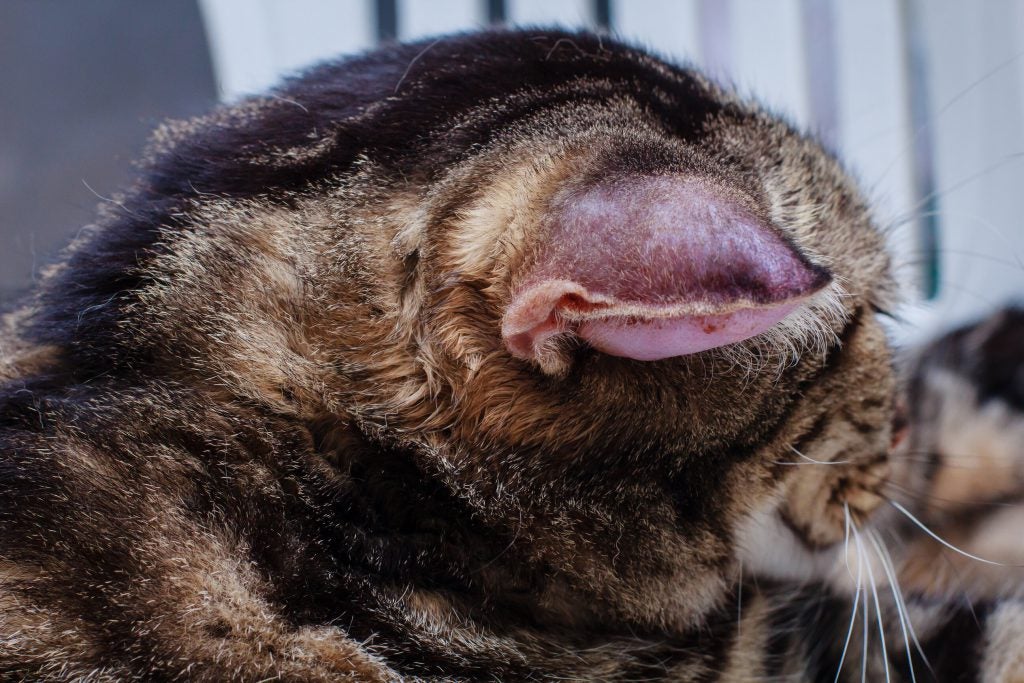
An aural hematoma is a fluid-filled pocked caused by a broken blood vessel. The swelling usually occurs on the pinna (the outer ear) and the condition is more common in dogs with long, floppy ears. Aural hematomas occur in both dogs and cats but are more common in dogs.
How Do I Know My Pet Has an Aural Hematoma?
At first, a hematoma may be red and feel a bit warm to the touch. As it progresses, swelling may become more pronounced and can change the way the ear sits. Your dog may hold his head to one side and exhibit behavior that shows the ear is uncomfortable or painful.
When you touch the swollen ear flap, you???ll be able to feel the fluid, and it will feel similar to a water balloon.
What Causes Aural Hematoma?
Aural hematomas usually develop due to your dog scratching his ear or shaking his head. Often, the scratching is related to an ear infection (and that???s why it???s so important to keep your dog???s ears clean), but there are other possible underlying causes as well. These include:
- Immune Disorders
- Flea and Tick Infestations
- Foreign Objects in the Ear
- Allergies to Medications
- Environmental Allergies
- Trauma to the Ear
Treatment Options for Aural Hematomas
You???ll have a few options for treating your dog???s aural hematoma. Your vet may discuss the following:
Surgery
Surgery is the most effective way to treat an aural hematoma. The vet will drain the fluid and then place several sutures in the ear, which will prevent fluid from building up again. The sutures are similar to quilting, and surgery permanently prevents a reoccurrence.
During the recovery process, it???s essential to follow all instructions from your vet carefully. This will include your pet wearing a cone to stop him from scratching at his ear. Once fully healed, there is virtually no visible difference to the ear in most cases, but you may be able to feel tiny bumps where the sutures have healed.
Draining
Your vet may offer to try and drain the hematoma. Draining provides immediate and effective relief, but in the vast majority of cases, the swelling comes back within a few days. Some pet owners who are trying to avoid surgery try draining first, but most pets end up needing the surgery anyway.
Allowing it to Resolve on Its Own
If the hematoma is not treated, it will likely reabsorb. The problem with this option is that your pet will be in pain during the healing process, and damage caused to the ear tissue will result in a permanently deformed ear, which is sometimes referred to as cauliflower ear.
This isn???t an ideal option because aural hematomas are so painful. For that reason, they should be treated by a vet.
While all aural hematomas cannot be prevented, keeping your pet???s ears clean to prevent infection is one step you can take to reduce your pet???s risk. Allivet sells a selection of products that are excellent for cleaning your pet???s ears. We also offer the medications you need as your pet recovers from surgery.
Since 1992, Allivet has been the trusted choice for quality pet medications???the same medications you get from your vet???and other supplies. Order everything you need from the comfort of your home and enjoy exceptional customer service and the lowest prices!