
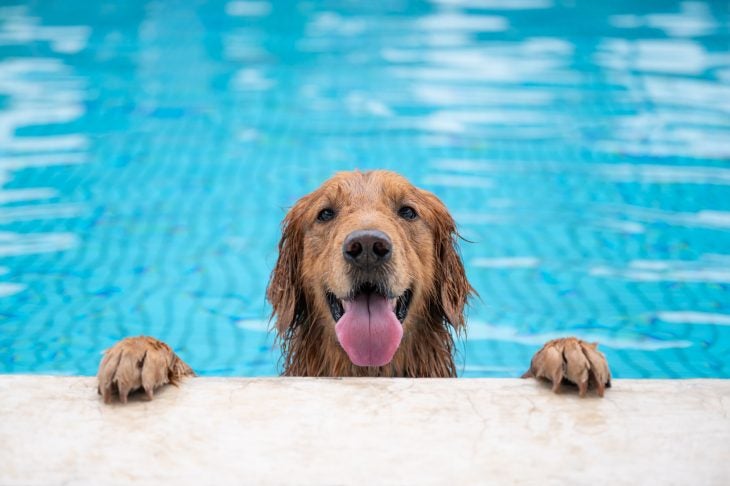
Veterinarian Shelby Neely shares tips for keeping your pet happy and healthy all summer long.??
The joys of summer include longer days and more time spent outside, but these pleasures come with additional health considerations for cats and dogs. Just as people use sunscreen and sunglasses, it???s important to prepare your pets adequately for hot summer days. Left unchecked, the heat and exposure can lead to serious health complications. With the right knowledge and equipment, you can keep your pet cool, happy, and healthy all summer long. (and fall, since warmer weather is lasting longer).
Stay Ahead of the Heat
Summer brings with it much fun but also increased risk. Exposure to heat and heat-related illness is one of the leading causes of health concerns in the summer season. While cats and dogs can usually count on their panting and sweat glands to stay cool, high temperatures can quickly become too much to tolerate. This is especially true in humid conditions.
For dogs who require exercise and outdoor walks, make sure to avoid the hottest time of day. Early morning and evening walks are recommended, especially for brachycephalic breeds such as Bulldogs and Pugs. It is never safe to leave an animal in a parked car, even on a seemingly mild day. Even if the outside temperature is only 75??F, a car’s interior can still reach 120??F within a few minutes. Cracking the windows is not an effective cooling method to prevent heat-related illness.
Prioritize Hydration
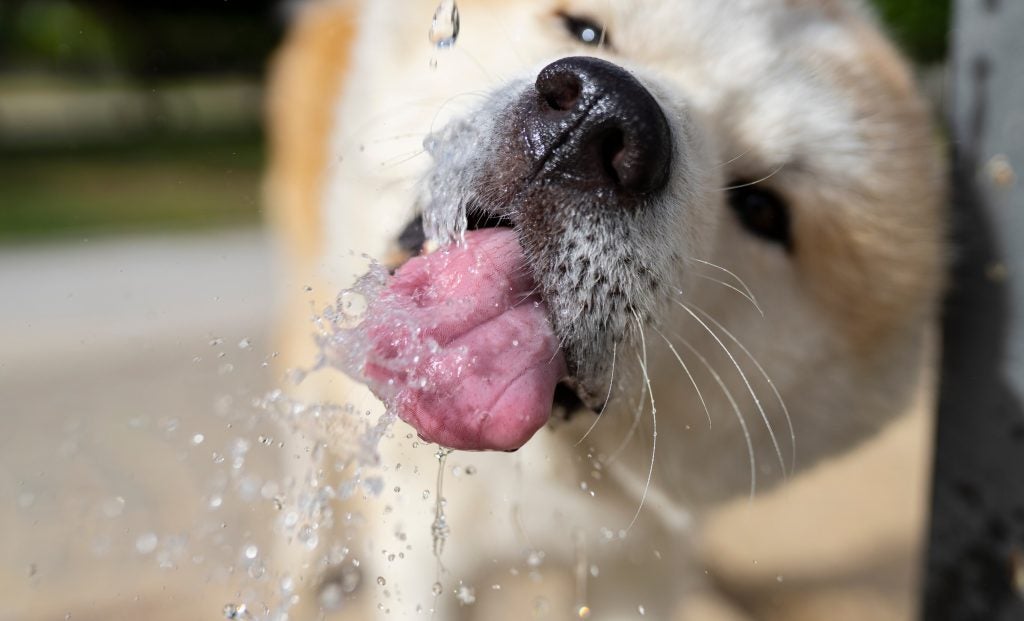
Ensure access to water both indoors and out, at all times. Dehydration sets in quickly and can be deadly. You should refresh water bowls frequently or set up an automatic water fountain. If spending time outdoors, create patches of shade and hydrate regularly.
You can notice the first signs of dehydration by monitoring for dry gums, lethargy, and excessive panting. In serious cases, the eyes may appear sunken, and you may notice skin changes.
Heat Stroke
Heat stroke in animals is a life-threatening, emergency condition that occurs when a pet’s thermoregulation fails, and their core body temperature rises to dangerous levels (typically ??? 105?? F). It rapidly leads to organ failure and central nervous system dysfunction.
At-Home First Aid
If you suspect heat stroke, it is an immediate medical emergency requiring quick but controlled action.
- Cooling: Spray or pour cool (not cold) water over the animal’s body, targeting the stomach, armpits, and footpads. Avoid ice water.
- Airflow: Turn on a fan and point it at the wet pet.
- Hydration: Offer a small amount of fresh, room-temperature water. Do not force them to drink.
- Temperature Tracking: Use a rectal thermometer if available. Stop active cooling once their temperature drops to about 103?? F to prevent dangerous rebound hypothermia.
- Emergency Transport: Transport your pet to the nearest veterinary hospital.
Veterinary Treatment
Even if you successfully cool your pet, professional veterinary monitoring is vital to manage unseen internal damage and shock.
Parasite Prevention
Warm weather brings an abundance of fleas, ticks, and mosquitoes. Parasitic infections are much more common in the summer, and prevention can lapse when travel plans and family fun take priority.
Heartworm, flea and tick prevention should be year-round, but summer is the best time to catch up. Tick and flea-borne diseases can be serious and fatal. To begin or restart heartworm prevention, a negative test is necessary.
Paw Protection
Pavement and many terrains can reach dangerous temperatures in the sun. Even a minute on burning ground can lead to serious damage to your dog???s paws. Always test the pavement before allowing your dog to walk on it. If the surface is too hot for you to tolerate five seconds of touch, it is too hot for your dog???s paws. This is not just about comfort; it???s about safety. After walks, check for any signs of redness, cracked skin, or limping. Procure paw wax or booties to protect your dog???s pads.

Common Summer Hazards
Water safety: While many people associate dogs with water, not every dog is capable of or fond of swimming. You should supervise your pet at all times and consider providing a life jacket. You should always rinse chlorine and salt off after swimming and prevent your dog from eating any water plants.
Sunscreen and insect repellent: Human skin products are toxic to pets. Keep them away from pets and prevent them from licking your skin. A vet can prescribe pet-safe sunscreen.
Cookout foods: Avoid feeding scraps to pets, as corn cobs, grapes, onions, garlic, macadamia nuts, and all alcoholic beverages are toxic to animals. Clean up promptly after eating.
Fireworks and thunderstorms: Most animals are severely terrified of the loud sounds of thunder and fireworks. Create a private refuge for your pet, away from the sound and light. Consult with a veterinarian if you think anxiety medications may be necessary. You can also consider over-the-counter pet calming supplements.
The Bottom Line
Prioritizing pet wellness looks different according to the season. During the summer season, it???s important to keep a few essential tips in mind while enjoying the warm weather. These mostly come down to consistent habits such as shortening periods of heat exposure, using a parasite-prevention aid, and monitoring behavior for signs of distress. When in doubt, keep your pet cool and hydrated and seek veterinarian guidance if you notice anything concerning.
Dr. Shelby Neely??is a Penn graduate who works for Banfield Pet Hospital. When she???s not treating pets, she also works as a freelance writer. Before joining Banfield, Dr. Neely owned a very successful feline-only practice. She was also the creator and author of the award-winning??Ask The Cat Doctor??website. Dr. Neely considers her three successful children and her veterinary career her most significant achievements. She lives in King of Prussia with her two adorable cats and loves to visit her four granddogs.