
by Dr. Shelby Neely, DVM
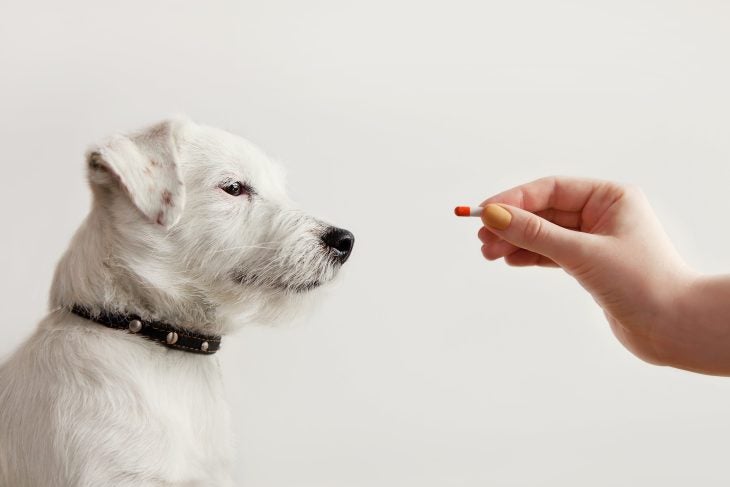
Giving human medication to your dog or cat can be a big mistake. Lots of medications safe for human consumption are actually toxic and unsafe for animals. Giving human medications to your pet may seem convenient, but it can cause serious and life-threatening consequences.
When given to pets, both Ibuprofen and Naproxen are known to produce ulcers in the gut and compromise kidney function. Additionally, acetaminophen (Tylenol) is highly toxic to both cats and dogs. Any human medications should only be used after consultation with a vet and as prescribed. Method and dose are also vital to confirm with a vet.
Pausing or Stopping Medication
This is another common mistake pet parents make. It is important not to stop giving your pet’s prescribed medications even as symptoms start to subside. When you stop giving medication early, it can allow the disease to rebound. This is especially true for antibiotics, as cessation can allow antibiotic-resistant bacteria to survive and multiply, which raises the risk of a more complicated illness.
You should always complete the treatment as prescribed and consult a vet before stopping the medication, even if symptoms have improved. Putting your pet’s medication on AutoShip makes it easier to stay on track.
Dosing Problems
Medications are prescribed based on weight, and even small differences in dosage can have significant effects on your pet. Using medication or a dose left over from a previous pet or even a previous weight can either undermine the treatment or cause complications.
A veterinarian should always measure your pet’s weight and confirm dosage before you administer any medication.
Missing or doubling a dose disrupts the effectiveness of the medication and can lead to an overdose. When you notice you’ve missed a dose, it is important to consult a veterinarian or pharmacist for guidance on the appropriate response.
Issues with Administration
Pet parents commonly have difficulty giving medications to their pets, especially cats. Even when you get the medication and dosage right, issues can still arise if administered improperly. Many medications have very particular instructions for how to be given.
While many pills can be safely given while buried in food or hidden in a pillpocket, others are altered when they melt or dissolve. Dissolving or crushing a medication can negate its extended-release component. Some tablets have a protective coating to ease stomach upset.
You should never alter a medication’s form or delivery without consulting your veterinarian. Many pet meds come in chewable and flavored forms, and these compounded medications help to make administration easier.
Improper Storage
The effectiveness or makeup of the medication may be affected by adverse environmental factors like high temperatures, excessive light, and moisture. Many people store medications in a medicine cabinet, which is one of the worst places to store medications. For example, many people store their pet’s meds in the bathroom cabinet, but this is unwise as the location is often exposed to heat and moisture.
You should always follow the instructions on the medicine label for storage. Typically, this means storage in a cool, dry location out of direct sunlight. Take care to refrigerate if instructed. Medications should always be kept away from children and pets.
Expired Medications
When medications expire, their effectiveness and composition may change in ways that are dangerous to your pet. Medications leftover from another illness should not be used without a veterinarian consultation because a prescription for one illness might be incorrect for another. Expiration dates are mathematically calculated to protect from adverse reactions.
Failure to Disclose Medication Use
Medications are finely tuned to produce specific effects, and even then can cause unintended side effects. When you combine medications, their effects can interact in unique and dangerous ways. NSAIDs are common, but they can interact dangerously with other medications. The same is true for many steroids and supplements. If your pet is prescribed a medication, make sure to check with your veterinarian to see whether it might interact with any other medications your pet is currently taking. You should bring a list of your pet’s medications and dosages with you to your vet appointment.
The Bottom Line
Proper and effective treatment requires the right medication to be given at the correct dosage for the prescribed duration. Whenever you’re unsure of a medication’s safety or effectiveness, you should ask your vet. Any side effects or adverse reactions should be noted and reported to your vet right away.
For more advice, tips, and information about specific pet health conditions, check out our Pet Health Guides.
Dr. Shelby Neely is a Penn graduate who works for Banfield Pet Hospital. When she’s not treating pets, she also works as a freelance writer. Before joining Banfield, Dr. Neely owned a very successful feline-only practice. She was also the creator and author of the award-winning Ask The Cat Doctor website. Dr. Neely considers her three successful children and her veterinary career her most significant achievements. She lives in King of Prussia with her two adorable cats and loves to visit her four granddogs.