
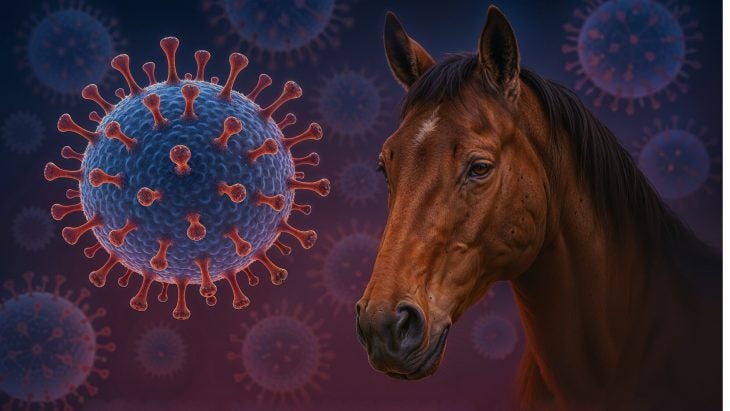
Late November 2025 brought alarming news to the U.S. equine community: the equine herpesvirus strain EHV-1 ??? including its deadly neurologic form, Equine Herpesvirus Myeloencephalopathy (EHM) ??? has erupted across central Texas and beyond, linked to a major rodeo event in Waco.
What happened?
The outbreak has been traced back to the WPRA World Finals and Elite Barrel Race held November 5???9 in Waco. Since then, dozens of horses have tested positive. As of early December, about 30 confirmed cases have been reported in Texas. Of those, 18 showed neurologic symptoms consistent with EHM
Why is this concerning?
EHV-1 is highly contagious, spreading not only via direct horse-to-horse contact and respiratory droplets (within about 30 feet), but also indirectly through shared equipment, handlers??? clothing, or even contaminated stalls and tack. Once infected, a horse can be a silent carrier. Some show symptoms, while others appear healthy yet still shed virus.
What makes EHV-1 particularly dangerous is the risk of developing EHM, which affects the nervous system, causing symptoms such as fever, nasal discharge, lethargy, loss of coordination, difficulty standing, and even sudden paralysis.
Response
In response to the outbreak, the Texas Department of Agriculture (TDA) and the Texas Animal Health Commission have issued statewide alerts urging all horse owners, trainers, and venues that attended the Waco event, or those who???ve recently hosted equine gatherings, to monitor horses closely and follow strict biosecurity protocols.
Some events scheduled soon after have already been canceled or postponed. Many barns and facilities have instituted quarantines, and horse owners are being advised to isolate exposed animals, avoid shared equipment, and track temperatures twice daily.
What horse owners should do
If your horse attended any large equine event recently, especially around Waco, or has been in contact with horses returning from such events:
- Begin strict quarantine: keep suspect or exposed horses isolated from the rest of the herd.
- Monitor temperatures twice daily; a fever (especially over 101.5??F) is often the earliest sign.
- Watch for respiratory signs (cough, nasal discharge) and neurologic symptoms, such as loss of coordination, weakness, difficulty urinating, trouble rising.
- Disinfect tack, water buckets, grooming tools ??? any equipment that may have been shared or exposed.
- Stock up on medications, electrolyte supplements, IV fluid supplies, and other essentials you may need should your horse be infected. Visit our horse pharmacy category and keep these medications on hand.
- Contact a veterinarian immediately if you observe suspicious symptoms.
This outbreak is a harsh reminder of how quickly viruses like EHV-1 can ripple through the equine community, especially when horses from many barns converge at a single event.
This blog is for informational purposes only and is not a substitute for veterinary advice. Always consult your veterinary about your horse???s health or any medical concerns.