
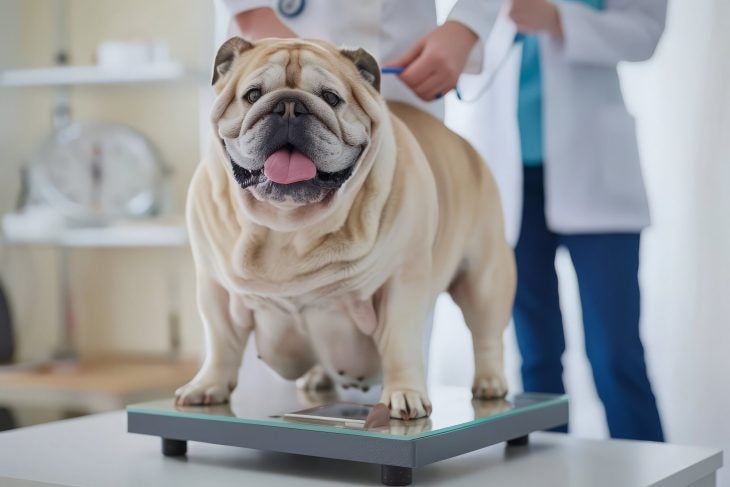
Veterinarian Shelby Neely explains why it’s important to address the problem of pet obesity.
It’s understandable why pets gain too much weight. It all comes down to how much we love them. There’s nothing a pet loves more than an extra meal or snacks. It’s hard to resist when we look down at those precious faces. Unfortunately, all this love we feel leads to an unintended consequence – obesity. October is traditionally the month we call attention to this problem and remind ourselves to keep our pets at a healthy weight through a well-balanced diet in the right amount, health checkups, breathing problems, and a proper exercise routine.
The Growing Problem of Pet Obesity
Pet Obesity has become an epidemic. Approximately 60% of cats and 55% of dogs in the U.S. are obese or at least overweight. The concern is not just how they look. Excess weight can cause serious health problems, including joint problems, diabetes, liver disease, heart disease, and even certain cancers. Obesity can affect your pet’s overall health, longevity, and quality of life.
How to Tell if Your Pet is Overweight
It’s not always accurate to answer this question by yourself. Friends or family members who do not see your pet often may be best at giving a subjective opinion. However, here are some tips to answer the question if you are judging alone.
- Don’t just look at the number on the scale.
- Body condition scoring (BCS) is more accurate.
- Examine your pet’s overall physique and feel their body.
- You should be able to feel their ribs easily, but they should not be overly visible.
- When viewed from above, your pet should have a noticeable waist
- Pets with rounded abdomens or visible fat deposits over the ribs, spine, or base of the tail are likely overweight.
If you’re unsure about your pet’s weight, a wellness checkup at the vet can help. Vets can provide guidance on a healthy weight range for your pet’s breed and size.
Combating Pet Obesity
Thankfully, pet obesity is a preventable and manageable condition. Here are some key steps you can take to keep your pet at a healthy weight:
- Portion Control: Overfeeding is one of the primary causes of pet obesity.
- Exercise: Regular exercise is crucial to keeping your pet’s weight in check.
- Healthy Treats: Limit the number of treats you give your pet and opt for healthier alternatives.
- Regular Vet Checkups: Regular veterinary checkups are essential for monitoring your pet’s weight and overall health. Your vet can provide guidance on diet, exercise, and any health conditions that might affect weight management. They also have a very accurate scale and keep records of your pet’s weight.
- Weight-Loss Diets: Your vet may recommend a specialized weight-loss diet for pets that are already overweight. These diets are typically lower in calories but still provide the nutrients your pet needs to stay healthy. They also often contain more fiber to help your pet feel fuller for longer.
The Role of Pet Owners
Pets can’t feed themselves. We are in charge, so we play the most important role in keeping our pets the right weight. National Pet Obesity Awareness Day is a perfect time to remind ourselves of that, assess our pets’ weight, and make the proper adjustments to their diet and exercise routines. It’s easy to slip into a pattern of giving extra treats or skipping walks, but those small decisions can add up over time.
This day also reminds us of the importance of being proactive about our pets’ health and wellness. If we keep our pets at the right weight, we improve their quality of life and extend their longevity.
Take Action Today
In conclusion, let’s use National Pet Obesity Awareness Day as a reminder to give our pets the care and attention they deserve, ensuring their bodies are as healthy as their hearts are full of love. Remember frequently that true love for your pet is not about giving extra food or treats. True love keeps them healthy and allows them to enjoy life.
Dr. Shelby Neely is a Penn graduate who works for Banfield Pet Hospital. When she’s not treating pets, she also works as a freelance writer. Before joining Banfield, Dr. Neely owned a very successful feline-only practice. She was also the creator and author of the award-winning Ask The Cat Doctor website. Dr. Neely considers her three successful children and her veterinary career her most significant achievements. She lives in King of Prussia with her two adorable cats and loves to visit her four granddogs.
 0
0
 0
0