Allergroom shampoo is a soap-free and hypo-allergenic emollient shampoo for dogs, cats or horses with sensitive skin. It works on any age horse, dog or cat. It is very effective on preventing against bacteria and yeast build-up on the skin.
Summer Wellness Tips for Pets
Veterinarian Shelby Neely shares tips for keeping your pet...
Read More of this Article
Why Tick Season Could Be Especially Severe This Year and How to...
Tick season is shaping up to be especially severe this...
Read More of this Article
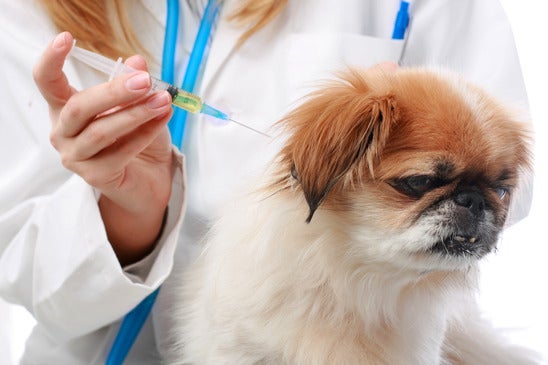
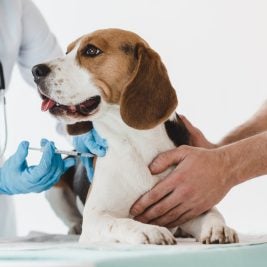
Top 5 Myths About Pet Vaccinations Debunked
Veterinarian Shelby Neely explains top myths about pet...
Read More of this Article
Why Skipping Preventive Pet Medications Costs More Long-Term
Veterinarian Shelby Neely explains why skipping pet...
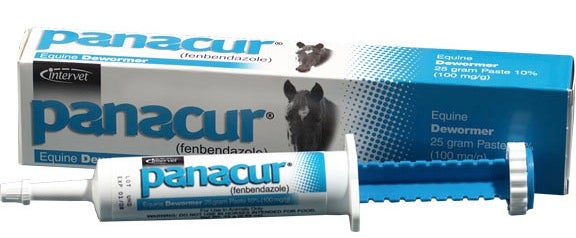
Read More of this ArticlePanacur: is a suspension used for the control horses and cattles as a dewormer of large strongyles, smallstrongyles, pinworms, and also roundworms. The parasites are expelled through the animal’s feces after the suspension has killed them. Each mL of Panacur will deliver 100 mg of febendazole.
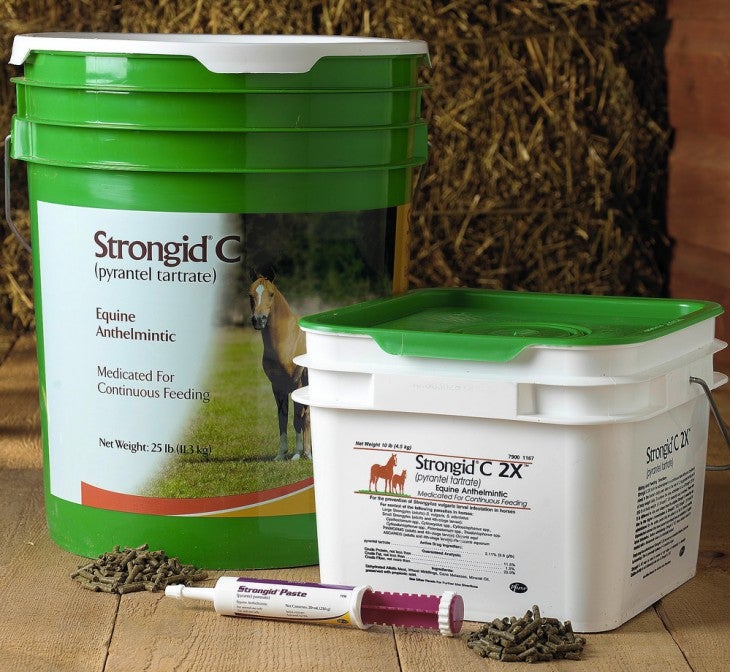
Pyrantel Pamoate is used in horses for the removal and control of mature infections of large strongyles; pinworms; large roundworms; and small strongyles in horses and ponies. Pyrantel Pamoate is a suspension and it comes in a palatable vanilla-flavored form. Each mL contains 50 mg of pyrantel base...
Duramune Adult is the first USDA-licensed vaccine with 3 year virus challenge data against a trio of deadly canine diseases: canine distemper (CDV), canine adenovirus (CAV-2), and canine parvovirus (CPV). The vaccine is particularly well suited as a booster for adult dogs if an extended vaccination...
Bacterial infections in animal is very common and there are plenty of antibiotics to help treat this condition, some things that might contribute to your pet having an infection is a wound or cut which put your pet in a higher chance of infection, infections of the skin is very common in dogs, in...
Ulcers may be one of the most common conditions a horse can develop, 60 to 90 percent of show and race horses will develop the illness. And horses with a more nervous disposition are bound to have ulcers compared to a calmer and easy going horse.